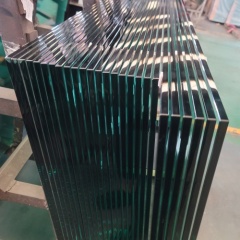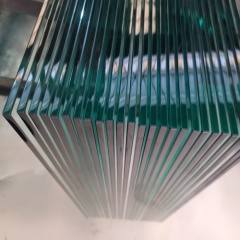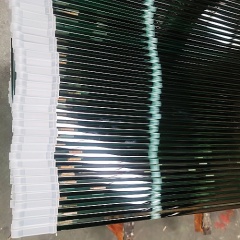
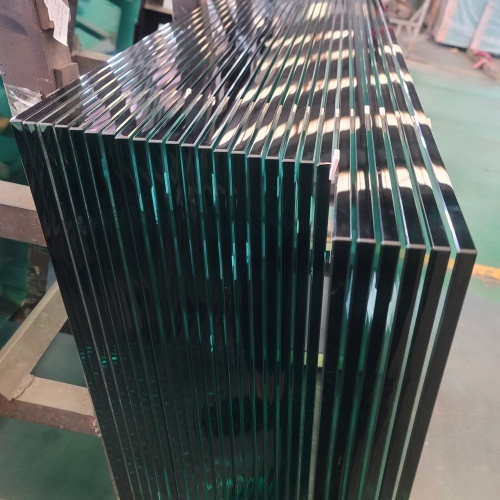
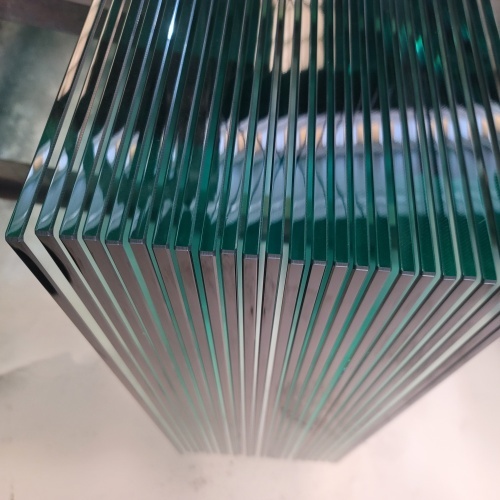
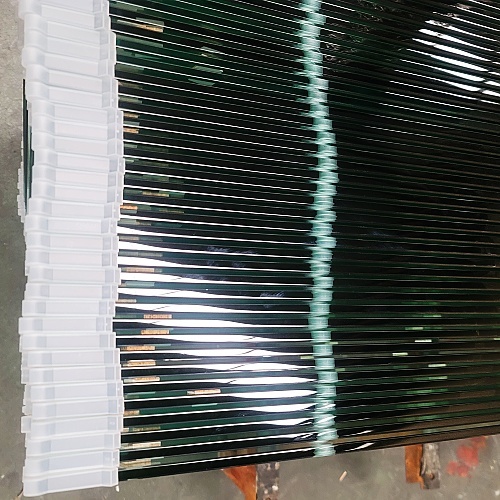
| 8mm Clear Tempered Glass | |
| Thick | 8mm |
| Edge processing | Flat edge and Polished |
| Standard | CE EN 12150-2:2004 |
| ANSI Z97.1-2015(R2020) | |
| CAN/CGSB-12.1-2022 | |
| CPSC 16 CFR 1201-2024 | |
| Min Size | 100mm*100mm |
| Max Size | 3660mm*2440mm |
| Port of Loading | Xingang port |
| Package | Plywood Crates,A-Steel Rack etc |
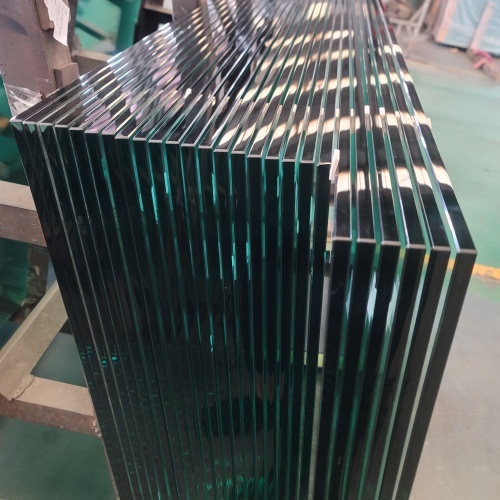

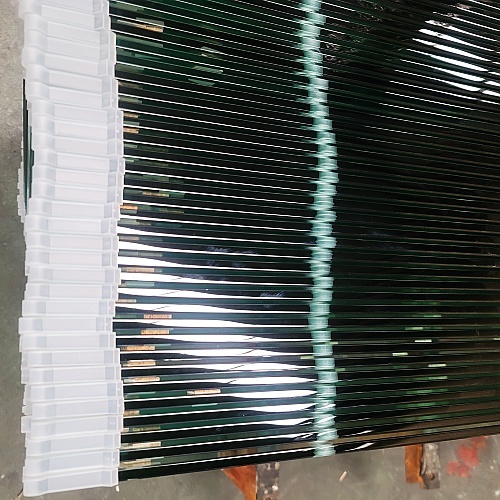
8mm tempered glass is another common choice for various applications, including shower doors, glass partitions, balustrades, and furniture. Here's an overview of 8mm tempered glass, including its characteristics, advantages, applications, and considerations.
Thickness:
Tempering Process:
Safety:
Durability:
Weight:
Versatility:
Aesthetic Appeal:
Cost-effective:
Shower Enclosures:
Glass Partitions:
Balustrades and Railings:
Furniture:
Doors and Windows:
Weight and Installation:
Thermal Resistance:
Custom Sizes:
Cost:
8mm tempered glass offers a good balance between strength, weight, and price, making it suitable for a variety of applications where safety and aesthetics are priorities. Whether considering it for bathroom enclosures, commercial partitions, or furniture, 8mm tempered glass can deliver on both functionality and style. If you have any specific applications in mind or need more detailed advice, feel free to ask!
| Property | Value |
|---|---|
| Glass type | Clear tempered (toughened) safety glass |
| Model | LYD-CTG8 |
| Standards | CE EN 12150-2:2004; ANSI Z97.1-2015(R2020); CAN/CGSB-12.1-2022; CPSC 16 CFR 1201-2024 |
| Minimum panel size | 100 × 100 mm |
| Maximum panel size | 3660 × 2440 mm |
| Panel format | Custom tempered glass panels to your finished sizes |
| Colour | Clear, untinted |
Every panel leaves the workshop with one of three edge profiles, and the right one depends on where the edge will sit.
A seamed edge is lightly ground to remove the sharp edge left by cutting. It suits edges that disappear into a frame, channel or gasket, where the finish is never seen.
A round edge puts a soft radius along the glass. This is the profile most often specified for tempered glass shower door panels, shelf fronts and pull handles, where hands make contact and a square edge would feel sharp.
A flat edge, polished after grinding, keeps the crisp square line and gives the glass a clear, glossy edge. Frameless partitions, shopfronts and furniture tops are usually drawn with this finish because the edge stays visible from both sides. On clear float glass, a polished edge carries the faint green tone that is normal for the material rather than a fault.
On a custom made tempered glass panel the profile runs along every piece in the order, so mark the edge detail on your drawing and tell us which edges stay exposed. If the finish has to match glass already installed in the building, say so when you send the drawings.
Store each panel upright in its crate or an A-frame rack, never flat on the floor and never resting on a single bottom edge, with nothing pressing on the glass. Clean with warm water and a mild, non-ammonia cleaner on a soft cloth; scouring pads, blades and abrasive powders dull the surface and leave scratches that can grow into a break. A tempered glass shower door stays clearer with a squeegee after each use and a check that hinges and seals are free of grit. On a tempered glass table top, coasters and mats keep hot dishes and grit from marking the surface.
LYD GLASS supplies architectural glass to project and wholesale buyers, covering tempered, laminated, mirror, insulated and decorative glass from one source. Our tempered range runs from 3 mm to 19 mm in clear, ultra-clear low-iron, green and bronze/brown, with seamed, round, flat or polished edges produced to your drawings and sheet sizes up to 3660 mm x 2440 mm. Production follows CE EN 12150-2:2004, ANSI Z97.1-2015(R2020), CAN/CGSB-12.1-2022 and CPSC 16 CFR 1201-2024, and orders ship from Xingang in plywood crates or A-steel racks.
No. Every hole, water-jet cut-out and edge profile on a custom made tempered glass panel is formed before the glass enters the furnace, and any later attempt to cut, drill or grind it will shatter the piece. The drawing you approve is the last point at which sizes and hole positions can still change.
Tempered glass releases into small, blunt-edged fragments instead of long, sharp shards, which is why it is specified wherever people may come into contact with the surface. The panel lets go as a whole rather than hanging in its frame, so the opening has to be made safe before it is reglazed.
Yes — it is widely used for fixed screens and hinged or sliding shower doors, where the enclosure opening and the fittings are known before the pieces are drawn. Send the opening size and the hardware model you plan to use, and the panels are produced to suit that combination.
Stay with this thickness where the opening, the fixing method and the project specification allow it, and step up to 10 mm or 12 mm for very tall or wide panels, balustrades with point fixings, or door hardware rated for heavier glass. Thicker panes also tolerate more thermal load, which matters for glazing in direct sun. If the specification already names a thickness, follow it; otherwise send us the opening and the fixing method and we will confirm what the drawing should carry.
Yes. Tempered glass table tops and shelf panels hold their shape across ordinary spans and give a flat, clear surface for furniture, display fixtures and shelving units. Tell us the span between supports and where the panel is fixed or notched, and we will check the drawing against those points before production.
Positions come from the hardware maker's template, because hinges, clamps, handles and pull fittings each have their own drill pattern and their own minimum clearance from the panel border. Keep those clearances when you set out the drawing, as a hole placed too close to an edge weakens the piece and cannot be corrected later. Send the template or a dimensioned sketch and we will check every position against the finished panel size.