• 6mm Clear Tempered Glass
  • 6mm Clear Tempered Glass
  • 6mm Clear Tempered Glass
  • 6mm Clear Tempered Glass
  • 6mm Clear Tempered Glass
  • 6mm Clear Tempered Glass
  • 6mm Clear Tempered Glass
  • 6mm Clear Tempered Glass

6mm Clear Tempered Glass

No.LYD-CTG6
6mm Clear Tempered Glass
Thick
6mm
Edge processing
Seamed Edge, Round edge ,Flat edge and Polished 
Standard
CE EN 12150-2:2004
ANSI Z97.1-2015(R2020)
CAN/CGSB-12.1-2022
CPSC 16 CFR 1201-2024
Min Size
100mm*100mm
Max Size
3660mm*2440mm
Port of Loading
Xingang port
Package
Plywood Crates,A-Steel Rack etc
  • 6mm Clear Tempered Glass
  • 6mm Clear Tempered Glass
  • 6mm Clear Tempered Glass
  • 6mm Clear Tempered Glass

Description

6mm tempered glass is another popular option in the category of tempered glass, frequently used in various applications due to its balance of strength, weight, and cost. Below is an overview of its characteristics, benefits, applications, and considerations.

Properties of 6mm Tempered Glass

  1. Thickness:

    • At 6 millimeters, this type of tempered glass is thinner than both 8mm and 10mm options, making it lighter but still quite strong due to the tempering process.
  2. Tempering Process:

    • Like other tempered glass, it undergoes a heat treatment that involves heating it to high temperatures and then rapidly cooling it, enhancing its strength and making it more resistant to thermal stress than standard glass.
  3. Safety:

    • If broken, 6mm tempered glass shatters into small, blunt pieces rather than sharp shards, significantly reducing the risk of injury.

Benefits of 6mm Tempered Glass

  1. Lightweight:

    • The reduced thickness makes it easier to handle and install compared to thicker glass options, which can be advantageous in various applications.
  2. Cost-Effective:

    • Generally more affordable than thicker tempered glass, making it an economical choice without compromising safety and quality.
  3. Versatility:

    • Suitable for a variety of applications, both decorative and functional, in residential and commercial environments.
  4. Aesthetic Appeal:

    • Its sleek design allows for clean lines and modern aesthetics, particularly in frameless design applications.
  5. Durability:

    • While lighter, it still offers considerable strength and impact resistance compared to annealed glass.

Common Applications

  1. Shower Doors:

    • Frequently used for shower enclosures and doors, providing both safety and a modern look.
  2. Glass Partitions:

    • Suitable for office layouts and retail environments, allowing for light transmission while creating separate spaces.
  3. Furniture:

    • Ideal for table tops, shelves, and display cases, where lightness and aesthetics are important.
  4. Balustrades:

    • Often utilized in staircases or balconies as a protective barrier while maintaining visibility.
  5. Windows and Glazing:

    • Can be used in windows where a balance of strength and weight is needed.

Considerations

  1. Strength Limitations:

    • While strong, 6mm tempered glass may not be suitable for applications requiring maximum strength or where high impact is expected; for such scenarios, thicker glass may be recommended.
  2. Professional Installation:

    • Proper installation is crucial; using the right type of hardware and supports is essential to ensure safety and stability.
  3. Custom Cuts:

    • Like all tempered glass, it cannot be cut or drilled after the tempering process, so precise measurements are necessary.
  4. Cost vs. Performance:

    • Although it is cost-effective, for specific applications like heavy traffic areas or high-wind environments, thicker glass may be more appropriate.

Conclusion

6mm tempered glass is a versatile, lightweight, and budget-friendly option suitable for a diverse range of applications, from shower enclosures to glass partitions and furniture. It offers a good balance of aesthetics and safety, making it a popular choice in both residential and commercial settings. If you have specific projects or applications involving 6mm tempered glass, feel free to ask for more tailored advice or further information!


Specifications

PropertyValue
Model referenceLYD-CTG6
Glass typeClear tempered (toughened) safety glass
Base glassClear float glass
SurfaceClear, smooth float surface
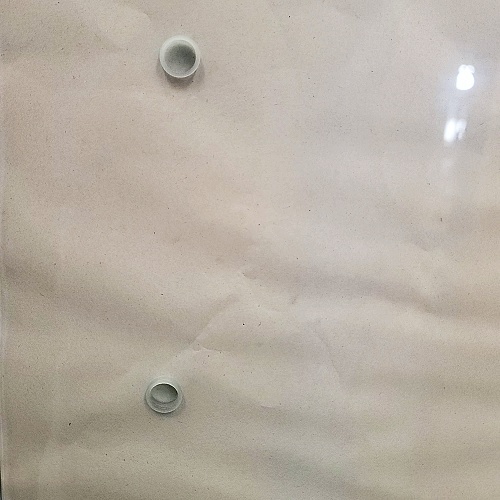
Holes and cut-outsWater-jet cut to your drawing
Safety standardsCE EN 12150-2:2004; ANSI Z97.1-2015(R2020); CAN/CGSB-12.1-2022; CPSC 16 CFR 1201-2024

Thickness and Load

  • This sheet is lighter on site than an 8 mm or 10 mm panel, so pieces are easier to lift and the frames, clamps and shelf supports carry less weight.
  • It is stiffer than a 5 mm sheet — the extra millimetre takes the visible flex out of a wider span, so the glass feels solid under hand rather than springy.
  • Where a job needs more rigidity than the thinnest clear sheet but not the weight and cost of a heavier one, this is the practical middle ground.
  • Step up where the load is higher: heavy-traffic doors, exposed facades and bays taking wind or impact are better served by a heavier sheet, and we will tell you so rather than sell you the wrong one.
  • Supplied as custom made tempered glass to your own dimensions and openings, so an awkward bay size is a drawing detail rather than a stock limitation.

Edge Finishes

A seamed edge takes the sharpness off the cut and suits glass that sits inside a frame or channel. A round edge softens the profile for shelf fronts, table tops and any surface a hand will run along. A flat edge gives a clean square line for butt joints and clamps, while a polished edge brings a bright, glass-like gloss to frameless work. Most custom tempered glass panels carry mixed edges — polished where the sides stay visible, seamed or flat where the glass is covered — so mark the drawing edge by edge and we will follow it.

Typical Uses

  • Office and commercial partitions: full-height or partial screens that divide a floor plan while daylight keeps moving through it.
  • Bathroom and shower screens: a familiar custom safety glass job, with hinge and handle positions set out on the drawing.
  • Shelving, display cases and shopfitting: panels sized to the carcass and cut for shelf pins, brackets or lighting.
  • Furniture and table tops: glass sized to sit flush inside the frame, with a hand-friendly profile on the exposed sides.
  • Stair and balcony infill: a visual barrier beside a handrail, where the rail and its fixings carry the structural duty rather than the glass alone.

Scale & Supply Capability

LYD GLASS supplies architectural glass to project and wholesale buyers, covering tempered, laminated, mirror, insulated and decorative glass from one source. Our tempered range runs from 3 mm to 19 mm in clear, ultra-clear low-iron, green and bronze/brown, with seamed, round, flat or polished edges produced to your drawings and sheet sizes up to 3660 mm x 2440 mm. Production follows CE EN 12150-2:2004, ANSI Z97.1-2015(R2020), CAN/CGSB-12.1-2022 and CPSC 16 CFR 1201-2024, and orders ship from Xingang in plywood crates or A-steel racks.

FAQ

Q1. What makes this glass different from ordinary glass of the same thickness?

Annealed float glass of the same thickness gives way under far less impact and breaks into long, sharp shards, while tempering gives the pane much higher impact and thermal-shock resistance and changes how it fails — into small, blunt pieces that are far less likely to injure anyone. Every order is produced as custom safety glass, so the panel arrives tempered, edged and ready to fit rather than as a stock sheet to be adapted on site.

Q2. Can you produce custom tempered glass panels in non-standard shapes?

Yes — rectangular panels, radius corners, shaped infills and pieces with drilled holes or notches are all possible, as long as the finished outline fits inside our maximum sheet size. The shape comes straight from your drawing, and any holes or cut-outs are made before tempering, so a non-standard outline is a routine part of the order rather than a special request.

Q3. Do you make this panel in other thicknesses and colours?

Yes — the same works produce custom made tempered glass in lighter and heavier sheets than this one, and in clear, ultra-clear low-iron, green, bronze and brown. If a project mixes openings with different duties, tell us how each one is used and we will suggest a thickness for each panel rather than one sheet for the whole job.

Q4. Will the glass look completely clear, or is there a tint?

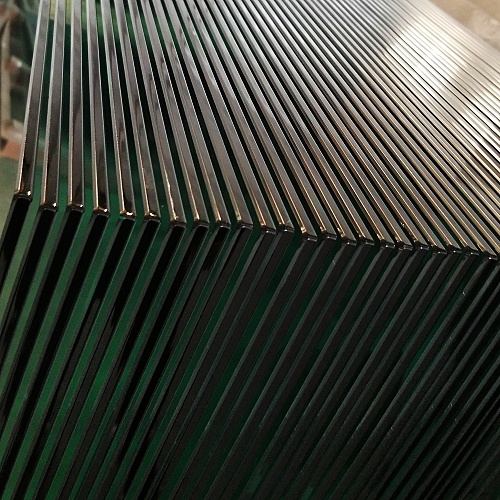
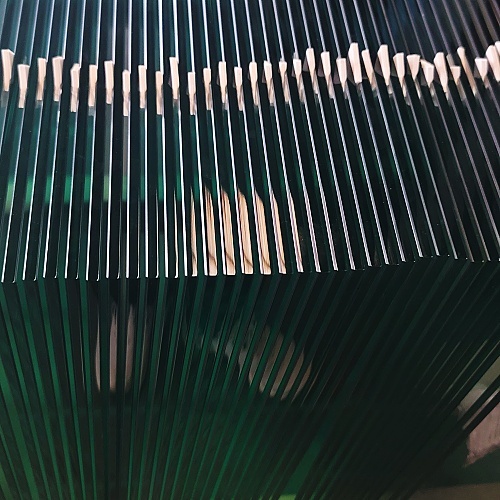
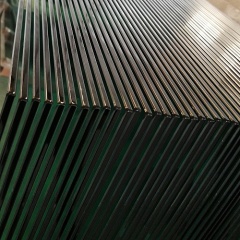
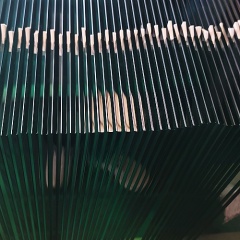
Standard clear float glass carries a faint green cast that is easiest to see along the edges of a stacked pack, though at this thickness it reads as clear in normal light. If you are matching a display or a run of furniture where any tint would show, ask for ultra-clear low-iron instead — as a custom glass manufacturer we produce both from the same works.

Q5. Is this panel suitable for outdoor use?

Yes — as a tempered glass supplier we make this sheet for outdoor screens, shopfronts and exterior panels as well as for interior work. Whether it is the right choice for a particular opening is a design question, so tell us where the glass is going, how it is fixed and what it will be exposed to, and we will confirm the right build.

Q6. How should I clean and look after the panels?

Wipe with a soft cloth and a mild, non-abrasive glass cleaner, and rinse off any grit first so you do not drag it across the surface. Keep scouring pads, scrapers and strong alkaline cleaners away from the glass, and clean it when it is cool rather than in direct sun.

Leave a message
FirstName *
Email *
WhatsApp *
Message *
Please tell us the following information about your requirements: product model (product series), size, quantity
We use Cookie to improve your online experience. By continuing browsing this website, we assume you agree our use of Cookie.