• 4mm Clear Tempered Glass
  • 4mm Clear Tempered Glass
  • 4mm Clear Tempered Glass
  • 4mm Clear Tempered Glass
  • 4mm Clear Tempered Glass
  • 4mm Clear Tempered Glass

4mm Clear Tempered Glass

No.LYD-CTG4
4mm Clear Tempered Glass 
Thick
4mm
Edge processing
Seamed Edge, Round edge ,Flat edge
Standard
CE EN 12150-2:2004
ANSI Z97.1-2015(R2020)
CAN/CGSB-12.1-2022
CPSC 16 CFR 1201-2024
Min Size 
100mm*100mm
Max Size
2000mm*2440mm
Port of Loading 
Xingang port
Package
Plywood Crates,A-Steel Rack etc 
  • 4mm Clear Tempered Glass
  • 4mm Clear Tempered Glass
  • 4mm Clear Tempered Glass

Description

4mm tempered glass is a thinner option in the range of tempered glass, and it can be used in various applications where a lightweight solution is desirable. Here’s an overview of its characteristics, benefits, common applications, and considerations.

Properties of 4mm Tempered Glass

  1. Thickness:

    • At 4mm, this is one of the thinnest types of tempered glass available. Its lightweight nature makes it easier to handle and install.
  2. Tempering Process:

    • Like other tempered glasses, 4mm glass undergoes a heating and rapid cooling process to enhance its strength and thermal resistance compared to ordinary glass.
  3. Safety:

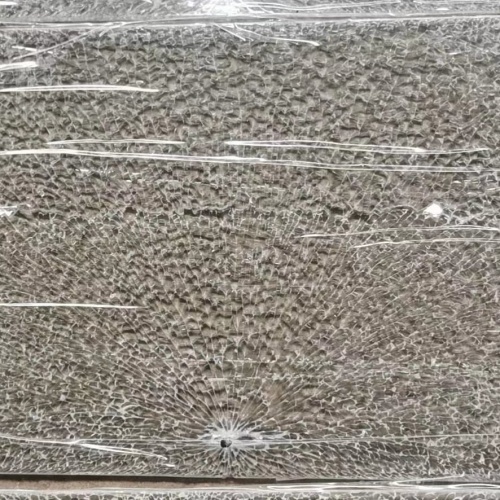
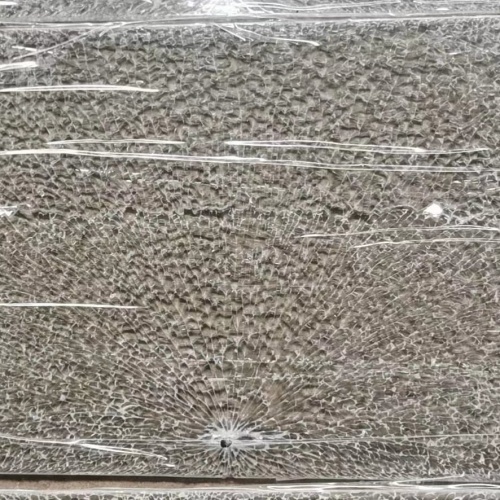
    • When broken, 4mm tempered glass shatters into small, blunt pieces rather than sharp shards, reducing the risk of injury.

Benefits of 4mm Tempered Glass

  1. Lightweight:

    • The reduced thickness makes it easier to handle, transport, and install, which can significantly reduce labor costs in some applications.
  2. Cost-Effective:

    • Generally, 4mm tempered glass is more affordable than thicker options, making it a good choice for projects with budget considerations.
  3. Versatility:

    • It can be used for various applications, particularly where lighter weight is an advantage.
  4. Aesthetic Features:

    • It offers a modern, sleek look, which can enhance design elements in various settings.
  5. Improved Durability:

    • Even at this thickness, tempered glass is significantly stronger than untempered (annealed) glass.

Common Applications

  1. Display Cases:

    • Often used in retail settings for display cases where visibility and weight are important.
  2. Decorative Panels:

    • Suitable for decorative or partition panels, such as in office design or residential interiors.
  3. Furniture:

    • Can be used for shelves or table tops in areas where lightweight materials are preferred.
  4. Shower Doors:

    • Sometimes used in framed shower enclosures, aluminum greenhouse , garden house ,although thicker glass is usually preferred for fully frameless designs.
  5. Mirrors:

    • May also be utilized in mirrors where weight is a concern.

Considerations

  1. Strength Limitations:

    • While stronger than standard glass, 4mm tempered glass is still thinner and may not be suitable for high-impact applications or load-bearing uses. You should assess the stress and impact expectations for the intended use.
  2. Professional Installation:

    • Proper installation is critical to ensure safety and functionality. In some cases, specialized hardware may be necessary.
  3. Custom Cuts:

    • Like all tempered glass, it cannot be cut, drilled, or altered after the tempering process, so accurate measurements are important before ordering.
  4. Thermal Resistance:

    • While 4mm tempered glass offers good thermal resistance, it is still essential to consider its limitations in high-temperature or high-stress applications.

Conclusion

4mm tempered glass is a versatile and economical choice where lightweight solutions are needed, such as in display cases and decorative applications. While it provides good safety features due to its tempered nature, its thinner profile limits its use in high-stress environments. If you have specific projects in mind involving 4mm tempered glass, feel free to ask for more information or advice!


Thin clear glass, tempered for safety

One of the thinnest sheets we temper, this 4 mm clear tempered glass behaves like a light panel: a single person can lift it into a frame and adjust it by hand, with no lifting gear on site. It starts as clear float glass and is then heated and rapidly cooled, the step that makes it far stronger than ordinary annealed glass and gives it its habit of breaking into small, blunt fragments instead of sharp shards. Face-on it stays colourless, so displays, shelves and screens keep their own colour and read clean. Shopfitters, display-case and cabinet makers, glazing contractors and interior fit-out teams are the buyers who use it most.

Limits and fitting notes

  1. Let the frame, channel, clips or track carry the panel — this sheet is stiff but not load-bearing, so it should never be the only support across a span.
  2. Size the span before you size the sheet — where an opening is wide and unsupported, step up to a thicker clear glass from the range.
  3. Settle every detail before tempering — the panel is finished to the production drawing before it enters the furnace and cannot be cut, drilled or re-edged afterwards.
  4. Keep heat moderate — everyday indoor and outdoor temperatures and direct sun are fine, but avoid sustained high heat and rapid temperature change concentrated on one edge.
  5. Inspect the edges before fitting — a chipped or knocked edge is the one place a tempered panel can fail, so check each piece as it comes out of the crate.
  6. Carry a spare — for panels that are opened, slid or cleaned daily, an extra piece from the same production run saves a second round later.

Fitting Hardware & Pairings

  • Glazing gaskets and setting blocks — a 4 mm pane sits in a shallower rebate, so dry gaskets and small blocks keep the glass off the frame metal instead of resting on hard contact points.
  • Hinges and clips sized for a thin leaf — cabinet and showcase doors stay true when the fittings are selected for a 4 mm panel rather than one built for a heavier clear tempered glass sheet.
  • Aluminium channels and U-profiles — used for partition infills and cupboard fronts, these carry the panel along its edge and keep the fixing line straight and serviceable.
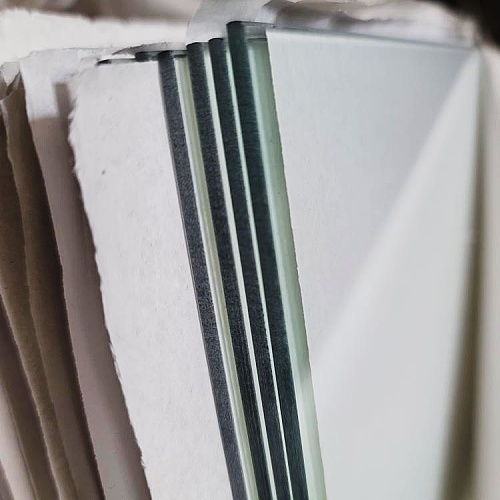
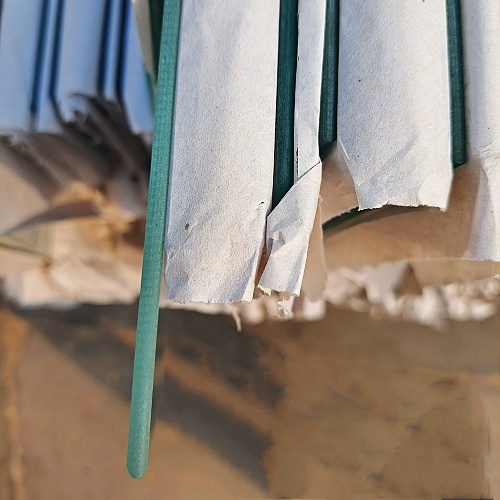
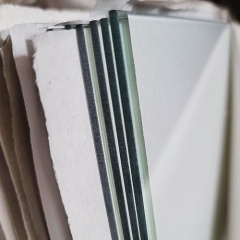
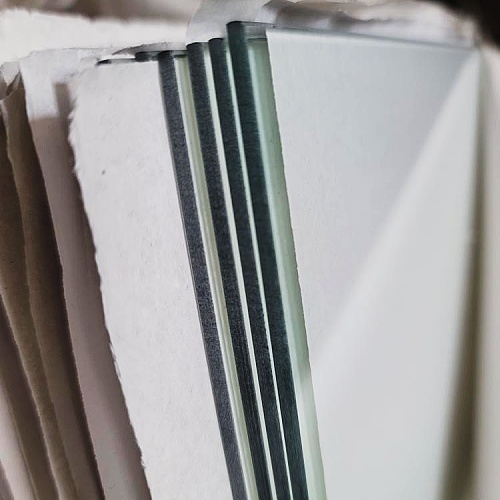
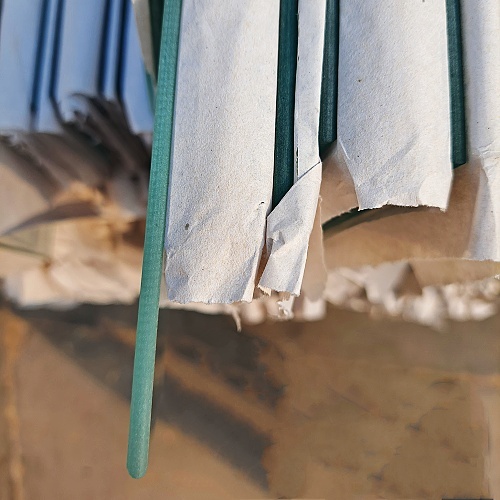
  • Interleaving paper and upright racking — kraft paper between panes protects the faces in transit, and upright storage keeps spare panels dry, separated and ready for the next fitting.

Scale & Supply Capability

LYD GLASS supplies architectural glass to project and wholesale buyers, covering tempered, laminated, mirror, insulated and decorative glass from one source. Our tempered range runs from 3 mm to 19 mm in clear, ultra-clear low-iron, green and bronze/brown, with seamed, round, flat or polished edges produced to your drawings and sheet sizes up to 3660 mm x 2440 mm. Production follows CE EN 12150-2:2004, ANSI Z97.1-2015(R2020), CAN/CGSB-12.1-2022 and CPSC 16 CFR 1201-2024, and orders ship from Xingang in plywood crates or A-steel racks.

FAQ

Q1. Can you supply replacement panels that match an earlier order?

Yes. Your panel drawing stays on file, so a repeat is produced with the same panel sizes and the same edge treatment as the original. Matching an existing installation is easiest when the new pane comes from the same production run and the same drawing. Quote the model reference, LYD-CTG4, and the original panel sizes so the match is exact.

Q2. What do you need from me to make a custom size?

A panel drawing with the finished sizes, the edge profile you want and the position of any holes or cut-outs is enough to start. Our design department turns it into a production drawing and sends it back for your approval before anything is cut. Check that drawing closely, because it becomes the sheet the panel is made from.

Q3. How should these panels be cleaned and stored?

Wipe the glass with a soft cloth, warm water and a little mild soap, then dry the pane and the frame around it so water does not stand along the bottom edge. Abrasive pads, scouring powders and ammonia-heavy cleaners can dull or scratch the surface, so keep them well away. Lift panels by the edges in clean gloves rather than sliding them face down across a bench, and store spares upright and separated in a dry place.

Q4. Will the glass match from one order to the next?

Clear float glass from established Chinese makers such as Xinyi Glass, CSG and Jinjing keeps clarity consistent, and we keep to the same source for repeat runs. No tint is added to the sheet, so differences between batches are minimal. If a project mixes these panels with green or bronze glass, the colour difference is intentional and worth planning for.

Q5. Can the panels carry our logo or brand mark?

Yes. Logo marking is available, and the artwork is placed into the panel layout for your approval before production. It is a common request from shopfitting and furniture customers who want their name visible on display fronts. Send the logo file with the panel drawing and say where it should sit.

Q6. Which edge finish should I choose for an exposed edge?

Where an edge is hidden inside a channel or rebate, a seamed finish is normally enough and keeps fitting simple. For edges that stay visible — shelving, cabinet fronts and screens — a flat edge gives a crisp straight line, while a round edge is softer to the touch and easier to clean. Tell us which edges will be seen and we will match the finish to each one.

Leave a message
FirstName *
Email *
WhatsApp *
Message *
Please tell us the following information about your requirements: product model (product series), size, quantity
We use Cookie to improve your online experience. By continuing browsing this website, we assume you agree our use of Cookie.